Furnace Disposal in Charlotte, NC
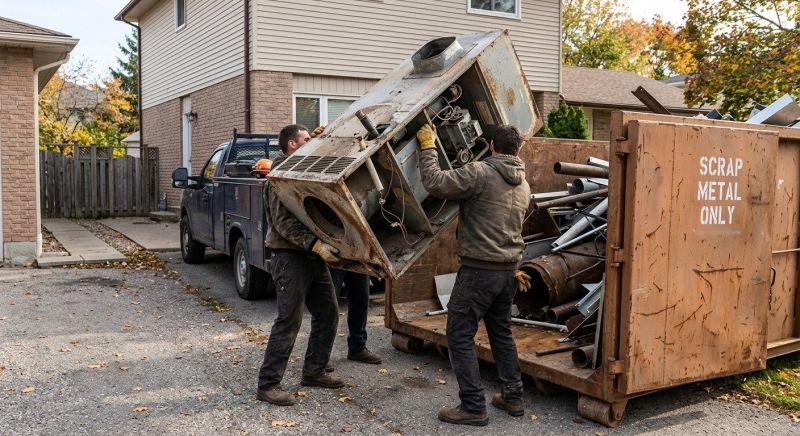
Furnace disposal services involve safely removing and properly disposing of outdated or non-functioning heating units from residential properties. This service typically covers projects such as replacing old furnaces, upgrading heating systems, or clearing out units that are no longer operational. Property owners often seek this service to ensure their homes remain safe and compliant with local disposal regulations, especially when upgrading to newer, more efficient heating equipment.
Before requesting furnace disposal, homeowners should understand the size and weight of their current units, as well as any potential access restrictions within the property. It’s also helpful to know if the disposal process includes removal of associated components like ductwork or other parts connected to the furnace. Clarifying these details can assist in planning the project effectively and ensuring a smooth transition during the removal process.
Many property owners in Charlotte, NC look into Furnace Disposal for repairs, replacements, upgrades, and appearance-related improvements.
Furnace Disposal Options
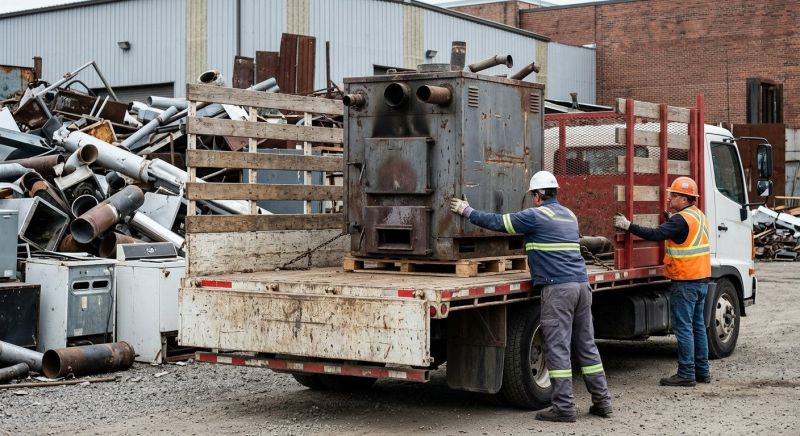
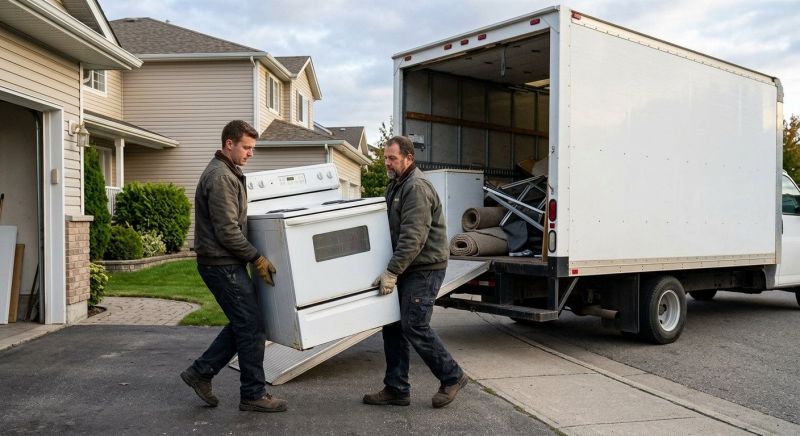
Proper disposal methods ensure safe removal of outdated or broken furnaces in charlotte homes.
Environmental And Safety Considerations
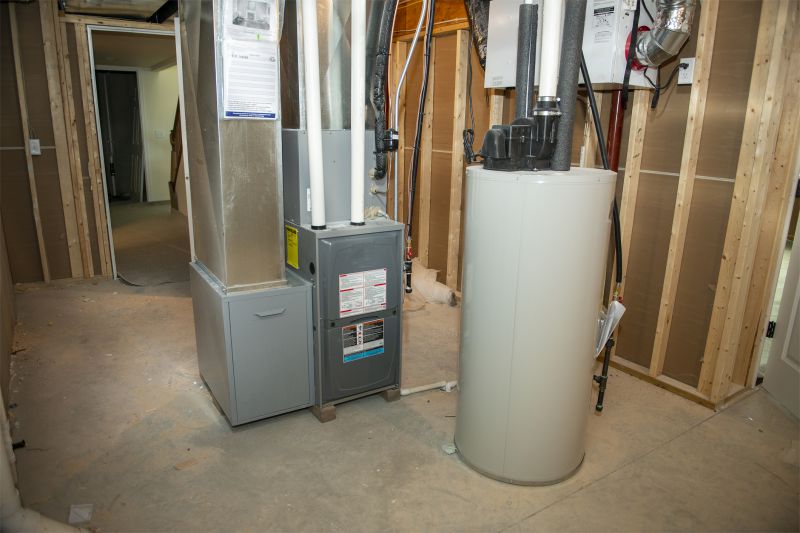
Disposing of furnaces responsibly helps prevent hazardous materials from impacting the community.
Project Types And Needs
Whether upgrading or clearing space, furnace disposal services support various residential and commercial projects in charlotte.
Furnace Disposal in Charlotte, NC
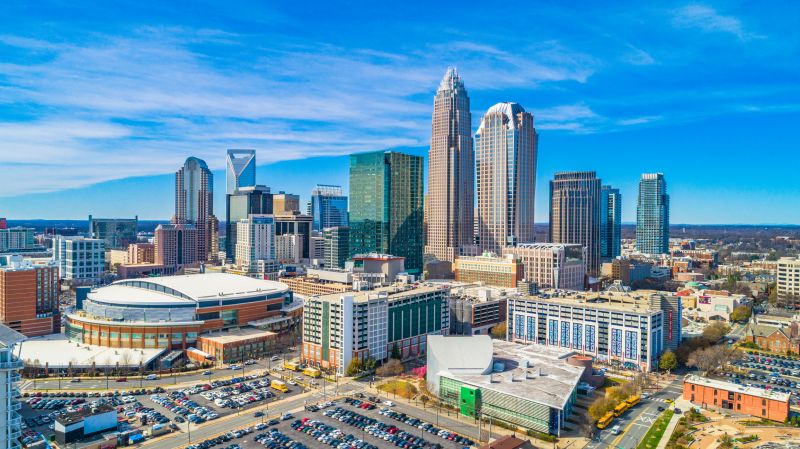
Furnace disposal services involve safely removing and properly disposing of outdated or non-functioning heating units from residential properties. This service typically covers projects such as replacing old furnaces, upgrading heating systems, or clearing out units that are no longer operational. Property owners often seek this service to ensure their homes remain safe and compliant with local disposal regulations, especially when upgrading to newer, more efficient heating equipment.
Before requesting furnace disposal, homeowners should understand the size and weight of their current units, as well as any potential access restrictions within the property. It’s also helpful to know if the disposal process includes removal of associated components like ductwork or other parts connected to the furnace. Clarifying these details can assist in planning the project effectively and ensuring a smooth transition during the removal process.
Many property owners in Charlotte, NC look into Furnace Disposal for repairs, replacements, upgrades, and appearance-related improvements.
Common Furnace Disposal Jobs
Furnace Disposal - safe removal of outdated or broken heating units from residential properties.
Furnace Demolition - complete teardown and disposal of old furnace systems and related components.
Furnace Recycling - environmentally responsible recycling of metal parts and materials from old furnaces.
Furnace Removal - professional extraction of units that are no longer functional or needed.
Furnace Disposal Services - proper disposal of residential furnace units following local regulations.
Heating System Disposal - removal and disposal of entire heating systems, including furnaces and associated equipment.
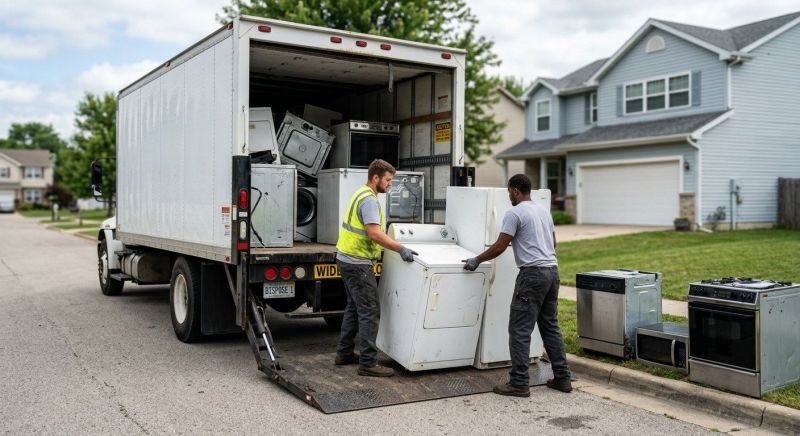
Furnace Disposal Questions
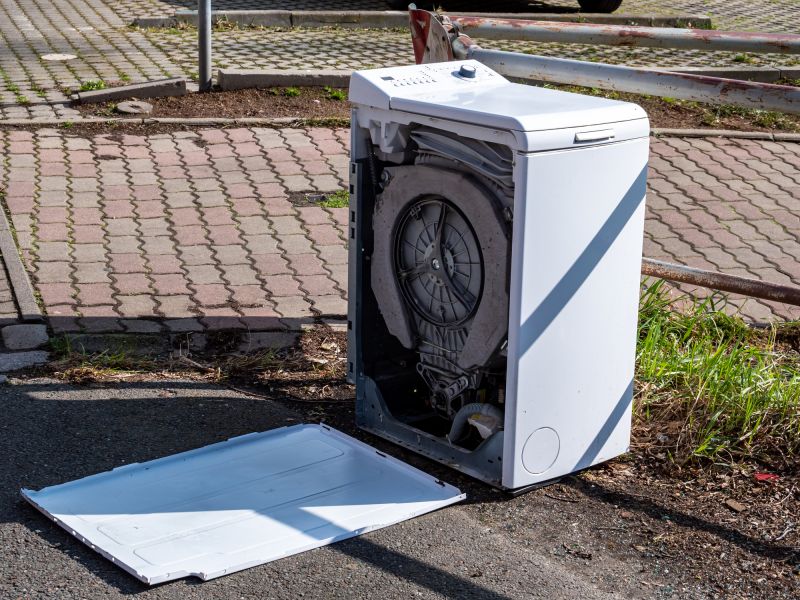
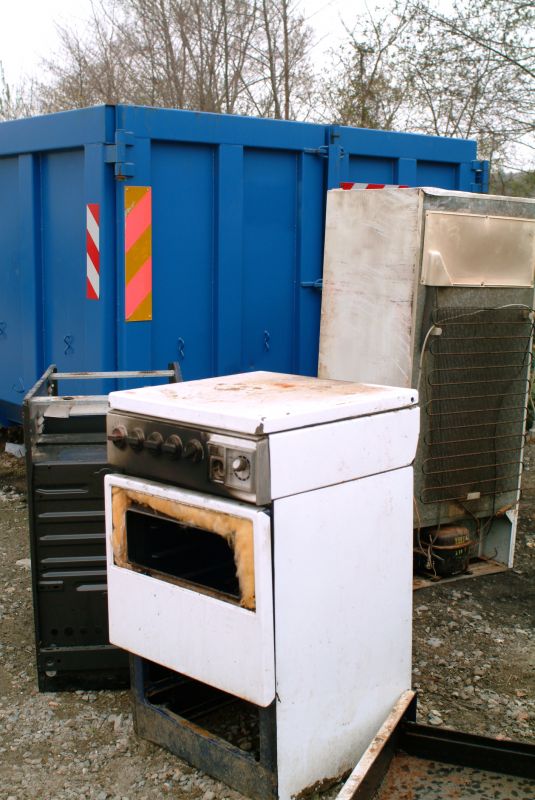
What types of furnaces can be disposed of? Disposal services typically handle various residential and commercial furnace models, including gas, electric, and oil units.
Is furnace disposal necessary when upgrading to a new system? Yes, removing and properly disposing of the old furnace is an essential part of installing a new heating system.
What should property owners know before scheduling furnace disposal? It's important to ensure the furnace is disconnected and any hazardous materials are safely managed prior to disposal.
How does furnace disposal impact property cleanup? Disposal services often include removal of debris and ensuring the area is clear after the old furnace is taken away.
Request Furnace Disposal in Charlotte, NC
Use the quote form on this page to share the basics of your project and request more information for the type of work you need.