Bathroom Demolition in Bergen County, NJ
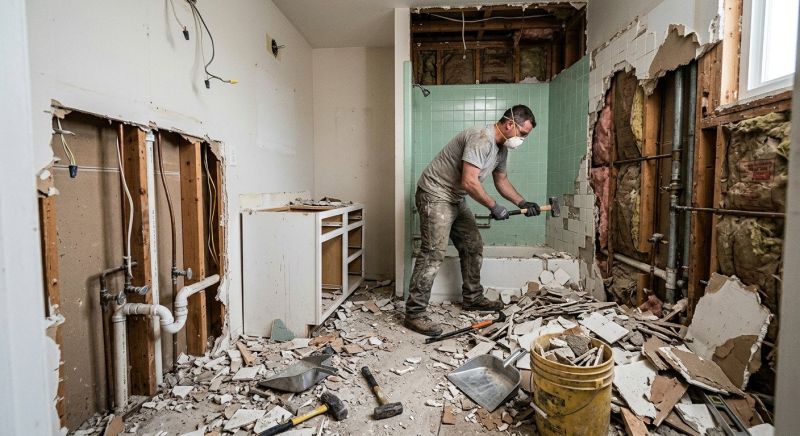
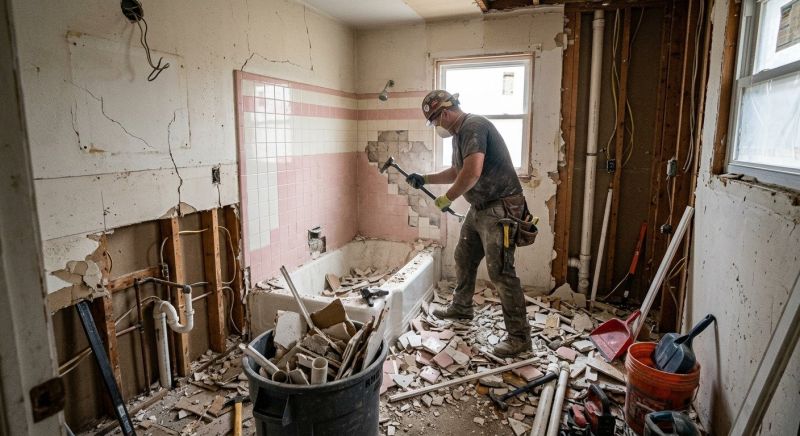
Bathroom demolition services involve the careful removal of existing fixtures, tiles, walls, and flooring to prepare a space for renovation or remodeling. These projects typically include tearing out outdated or damaged components such as bathtubs, vanities, toilets, and wall coverings, ensuring the area is cleared and ready for new installations. Property owners often request this service when undertaking a bathroom upgrade, expanding the layout, or addressing water damage and mold issues that require a complete overhaul of the existing structure.
Before requesting bathroom demolition, property owners usually want to understand the scope of the work, including what will be removed and how the process might affect other parts of the property. It’s also important to consider any necessary permits, the potential for dust and debris, and the timeline for completing the demolition. Clear communication about these aspects helps ensure the project proceeds smoothly and aligns with the overall renovation plans.
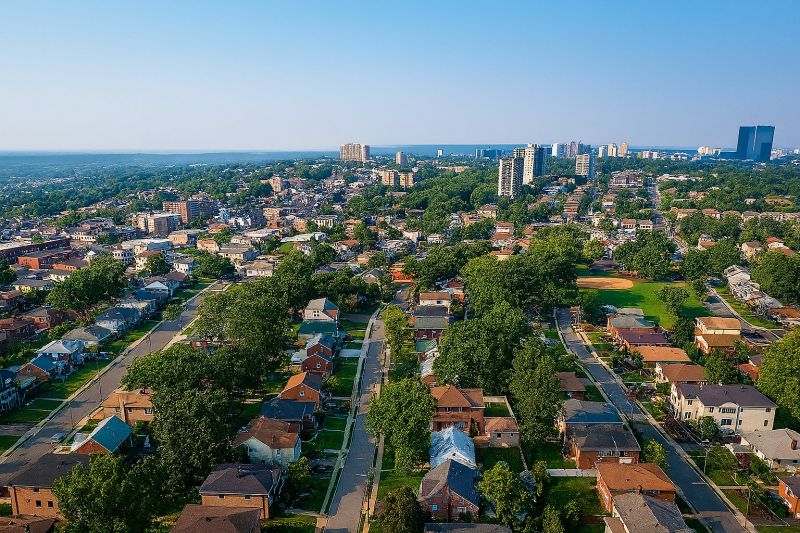
Many property owners in Bergen County, NJ look into Bathroom Demolition for repairs, replacements, upgrades, and appearance-related improvements.
Bathroom Demolition Projects
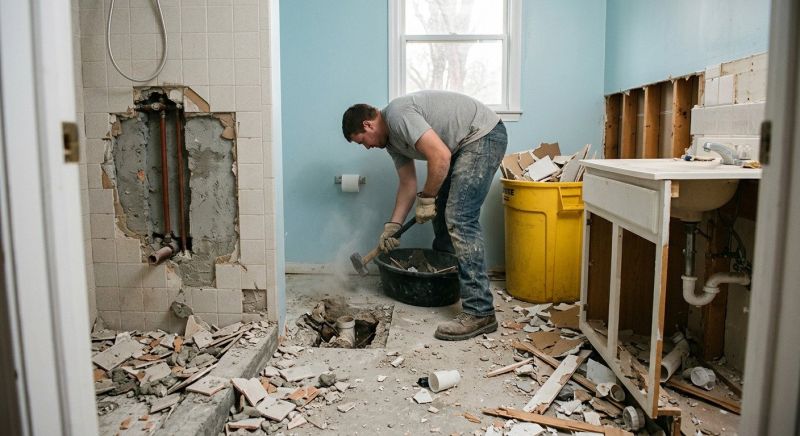
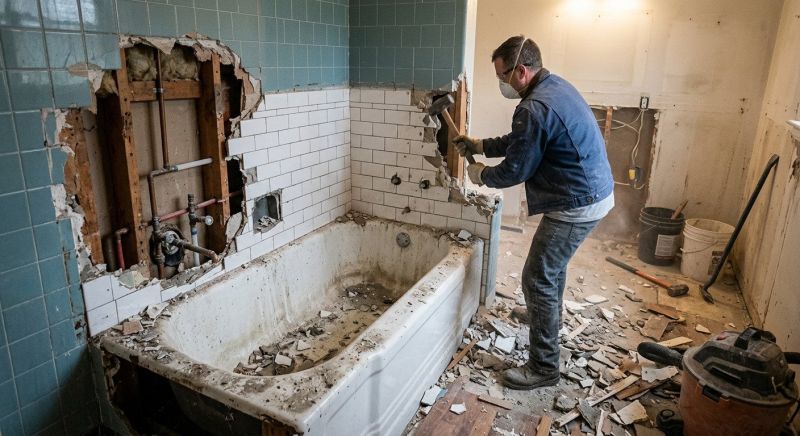
Removing outdated fixtures and tiles to prepare for renovations.
Safe Demolition Practices
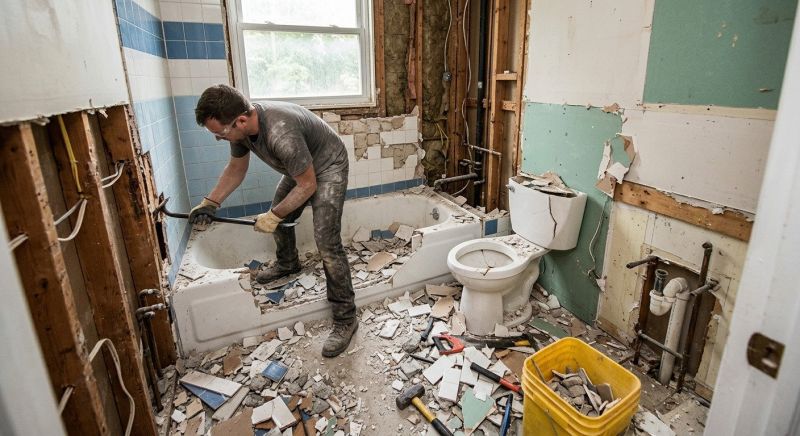
Ensuring the work is done efficiently while protecting surrounding areas.
Property Preparation And Cleanup
Clearing debris and preparing the space for new installations.
Bathroom Demolition in Bergen County, NJ
Bathroom demolition services involve the careful removal of existing fixtures, tiles, walls, and flooring to prepare a space for renovation or remodeling. These projects typically include tearing out outdated or damaged components such as bathtubs, vanities, toilets, and wall coverings, ensuring the area is cleared and ready for new installations. Property owners often request this service when undertaking a bathroom upgrade, expanding the layout, or addressing water damage and mold issues that require a complete overhaul of the existing structure.
Before requesting bathroom demolition, property owners usually want to understand the scope of the work, including what will be removed and how the process might affect other parts of the property. It’s also important to consider any necessary permits, the potential for dust and debris, and the timeline for completing the demolition. Clear communication about these aspects helps ensure the project proceeds smoothly and aligns with the overall renovation plans.
Many property owners in Bergen County, NJ look into Bathroom Demolition for repairs, replacements, upgrades, and appearance-related improvements.
Common Bathroom Demolition Jobs
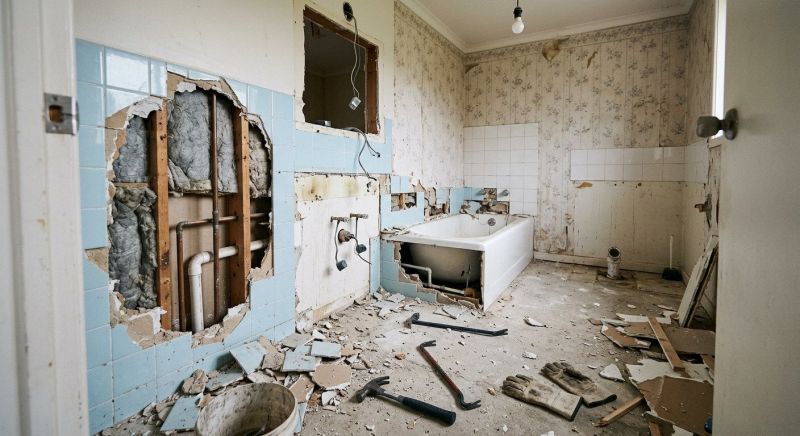
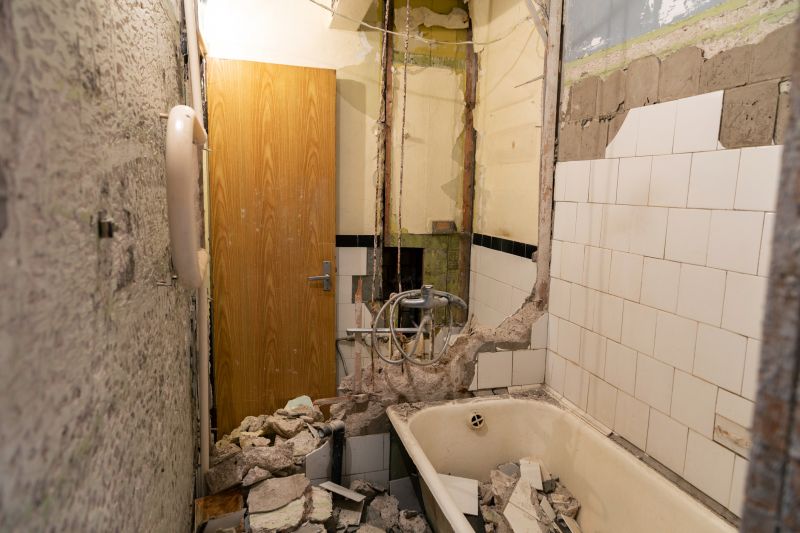
Bathroom Demolition - Complete removal of existing fixtures, tiles, and walls for remodeling projects.
Shower and Tub Removal - Safely tearing out outdated or damaged showers and tubs for renovation.
Wall Demolition - Eliminating or opening up bathroom walls to improve layout and accessibility.
Floor Demolition - Removing old flooring materials to prepare for new surface installation.
Fixture Removal - Disassembling and removing sinks, toilets, and vanities for upgrades.
Partial Demolition - Targeted removal of specific areas to accommodate plumbing or design changes.
Bathroom Demolition Questions
What types of bathroom demolition services are available? Services include removal of fixtures, wall and floor demolition, and complete bathroom gutting for renovation projects.
Is bathroom demolition suitable for remodeling projects? Yes, it prepares the space for updates by removing outdated fixtures and structures efficiently.
What should property owners consider before a bathroom demolition? Planning for debris removal, protecting adjacent areas, and ensuring proper disposal are important steps.
How does bathroom demolition impact other parts of the property? Proper demolition minimizes disruption to surrounding areas and prepares the space for new installations.
Request Bathroom Demolition in Bergen County, NJ
Use the quote form on this page to share the basics of your project and request more information for the type of work you need.